Spring Lawn Care Checklist: What to Do First
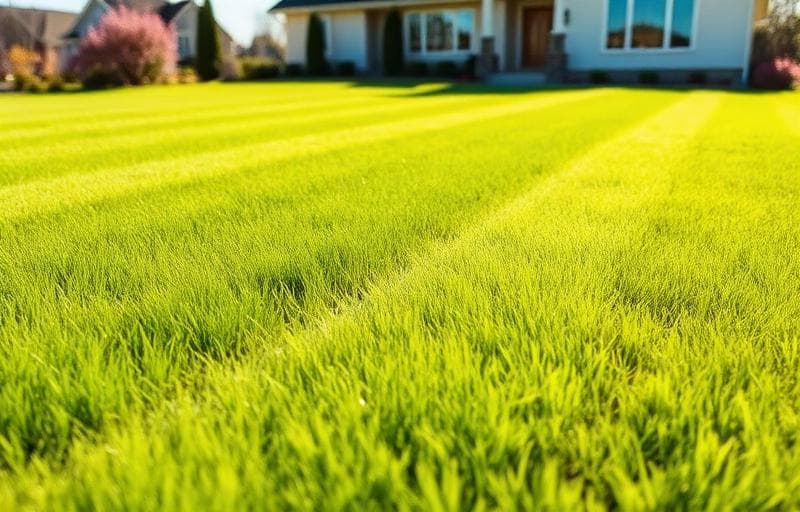
Spring is when your lawn either sets up for a great year or starts falling behind. The work you do in the first few weeks after the last frost determines how your yard looks all summer. Here's the order of operations that lawn care professionals follow.
1. Clean up debris first
Before anything else, rake up leaves, sticks, and any winter debris. This isn't just cosmetic. Matted leaves block sunlight and trap moisture, creating perfect conditions for fungal diseases like snow mold. A thorough cleanup lets your grass breathe and starts the growing season clean.
2. Test your soil
A $15 soil test from your local extension office tells you exactly what your lawn needs, and what it doesn't. Most Pacific Northwest soils are slightly acidic, which means lime applications are often beneficial. But without a test, you're guessing. Over-fertilizing is worse than under-fertilizing because excess nitrogen promotes disease and thatch buildup.
3. Aerate before you fertilize
If your lawn gets heavy foot traffic, or if the soil feels hard and compacted, aerate before applying any fertilizer. Core aeration pulls small plugs of soil out of the ground, creating channels for water, air, and nutrients to reach the root zone.
The best time to aerate cool-season grasses (fescue, bluegrass, ryegrass) is early spring or fall. For warm-season grasses (bermuda, zoysia), wait until late spring when the grass is actively growing.
4. Apply a spring fertilizer
Once the ground temperature is consistently above 55°F, apply a balanced slow-release fertilizer. Look for a formula with a higher nitrogen ratio (like 20-5-10) to promote green growth. Slow-release formulations feed the lawn over 6-8 weeks instead of dumping all the nutrients at once.
Don't over-apply. More fertilizer doesn't mean greener grass. It means more mowing, more water demand, and more disease pressure. Follow the label rates exactly.
5. Set your mower height correctly
This is the single most impactful thing most homeowners get wrong. Cutting grass too short stresses the plant, reduces root depth, and lets weeds take over. For most cool-season grasses, set your mower to 3-3.5 inches. For warm-season grasses, 1.5-2.5 inches.
Never cut more than one-third of the blade height at once. If your lawn got long over winter, bring it down gradually over two or three mowings.
6. Address bare spots early
Spring is the time to overseed bare or thin areas. Rake the bare spot to loosen the top quarter-inch of soil, spread seed at the recommended rate, and keep it consistently moist for 2-3 weeks. A light layer of compost on top helps retain moisture and protects the seed from birds.
When to call a pro
If your lawn needs aeration, fertilization, and regular mowing, hiring a lawn care service often costs less than buying the equipment and products yourself. A typical mowing service for a 5,000 square foot lawn runs $35-75 per visit, with add-ons like fertilization, aeration, and trimming available at reasonable rates.
The key is finding a provider whose pricing is transparent and whose service area includes your neighborhood. Get an instant lawn care quote from verified local providers, with full pricing breakdowns so you know exactly what you're paying for.
Want local numbers? See our 2026 lawn mowing cost guides for Seattle, Tacoma, Bellevue, Kent, Renton, and 18 more Puget Sound cities.