5 Things to Know Before Replacing Your Driveway
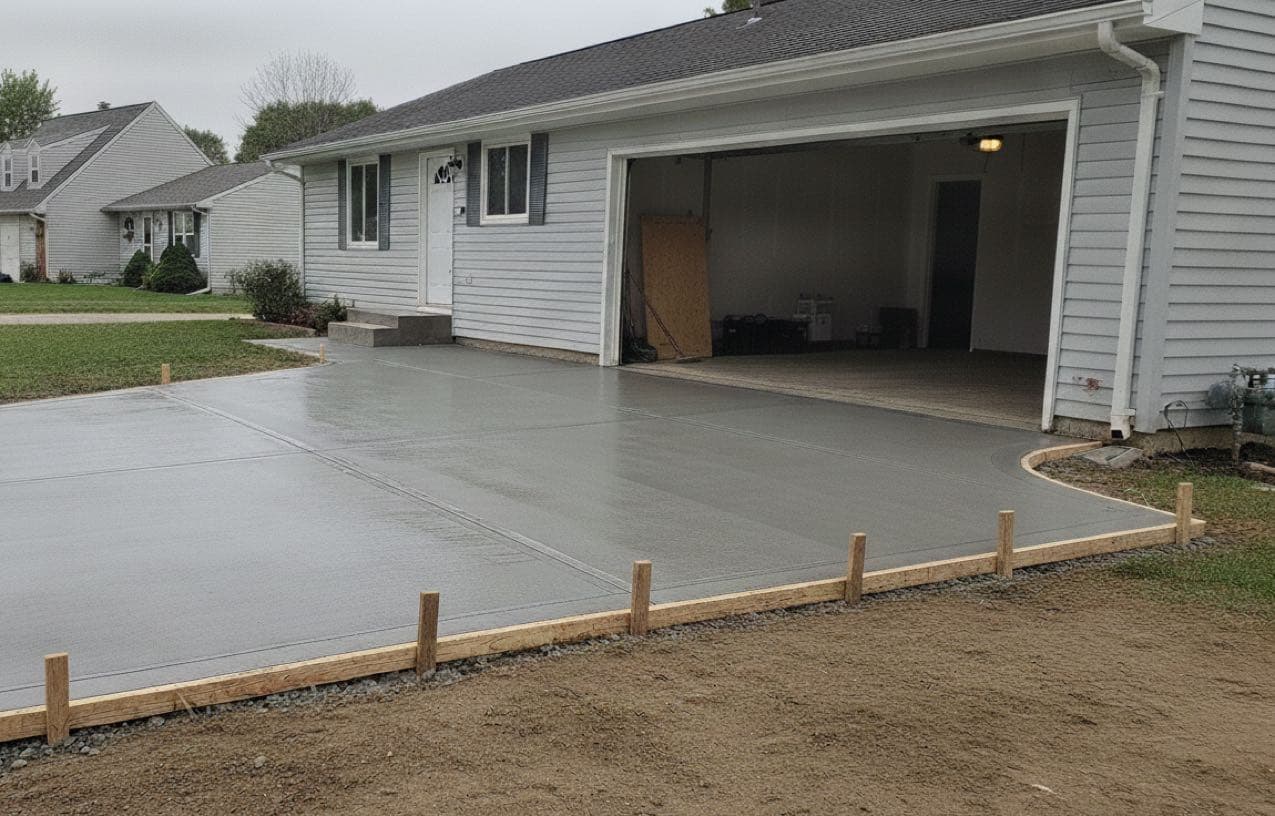
Replacing a driveway is one of the most impactful home improvements you can make, both for curb appeal and property value. But it's also one of the most misunderstood. Here's what most homeowners wish they'd known before starting.
1. Material choice matters more than you think
The three most common driveway materials (concrete, asphalt, and gravel) differ dramatically in cost, longevity, and maintenance requirements.
Concrete is the most popular choice in many regions. It typically costs $8-15 per square foot installed, lasts 25-30 years with proper maintenance, and handles heat well. It can crack in areas with heavy freeze-thaw cycles, but control joints and proper drainage mitigate this.
Asphalt runs $5-10 per square foot and needs resealing every 3-5 years. It's more flexible than concrete (less cracking in cold climates) but softens in extreme heat and has a shorter lifespan of 15-20 years.
Gravel is the budget option at $2-5 per square foot, but requires regular regrading, weed management, and top-offs. It works well for long rural driveways where concrete would be prohibitively expensive.
2. Old driveway removal adds real cost
If you're replacing an existing driveway rather than installing a new one, removal costs can add 15-25% to your total project price. Concrete removal is particularly expensive because it's heavy and requires specialized equipment to break up and haul away.
Get the removal cost itemized separately in your quote so you know exactly what you're paying. Some contractors will include it in the per-square-foot price, which makes comparison shopping harder.
3. Drainage and slope are non-negotiable
A driveway without proper drainage is a driveway with a short lifespan. Water that pools on the surface accelerates cracking, heaving, and erosion. Your contractor should plan for a minimum 1-2% slope away from your home's foundation, and any low spots need to be addressed during grading.
If your property has complex drainage issues, like water flowing from a neighbor's lot, a steep grade toward the house, or a high water table, expect your project to cost more. But skipping proper drainage to save money is the most expensive mistake you can make.
4. Permits and HOA rules can surprise you
Many municipalities require permits for driveway replacement, especially if you're changing the size, adding impervious surface area, or modifying drainage patterns. Permit fees typically run $100-500 depending on your jurisdiction.
If you live in an HOA community, check your CC&Rs before signing a contract. Some HOAs restrict driveway materials, colors, or dimensions. Discovering this after the concrete is poured is a nightmare you don't want.
5. Timing affects both price and quality
Concrete and asphalt should ideally be installed when temperatures are consistently above 50°F. Pouring concrete in freezing weather can compromise the cure, leading to surface defects and reduced longevity.
The best time to schedule driveway work is typically late spring or early fall. Contractor schedules are slightly less packed than peak summer, and weather conditions are ideal for curing. Booking in winter, even for a spring installation, often gets you better pricing.
The bottom line
A driveway replacement is a significant investment, typically $4,000-$10,000 for an average-sized residential driveway. But with the right material choice, proper drainage planning, and a verified contractor, it's an improvement that pays for itself in both property value and daily convenience.
The key is getting detailed, transparent quotes that break down every cost component, so you can compare contractors on an apples-to-apples basis. Get an instant driveway quote to see exactly what your project would cost.